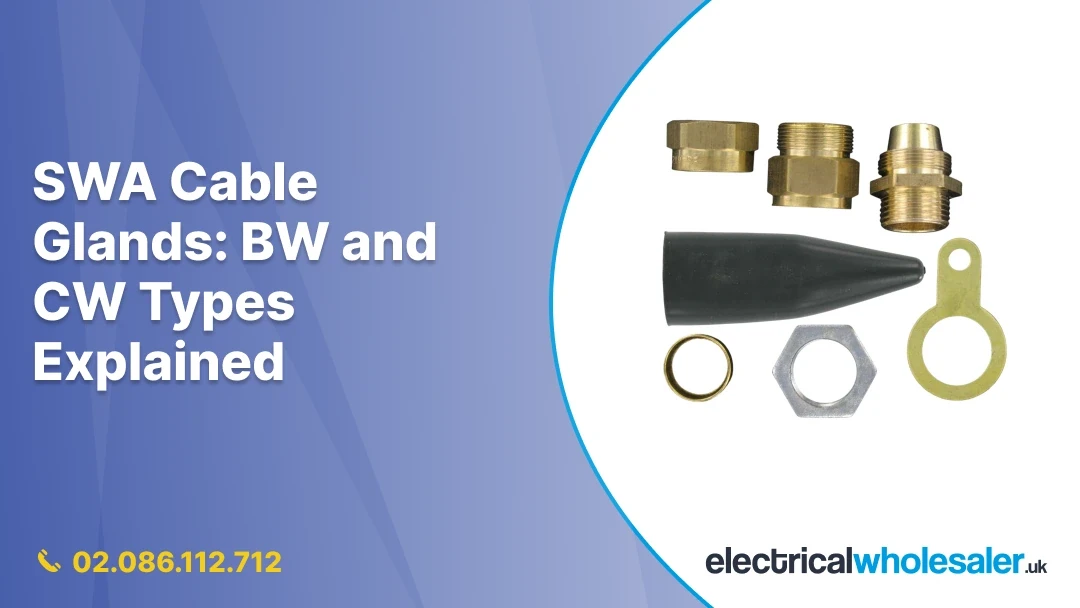
SWA Cable Glands: BW and CW Types Explained
Steel wire armoured (SWA) cable is terminated using a gland that clamps the steel armour wires and provides an earth path through the gland body. Two of the most common types encountered in UK and Irish installations are BW and CW. They look similar and share the same size designations, but they’re built for different environments.
This article gives an overview of the differences and how the size codes relate to the cable. It isn’t installation guidance — current standards, manufacturer datasheets, and the relevant wiring regulations are the authoritative sources for any specific installation.
BW and CW — how they differ
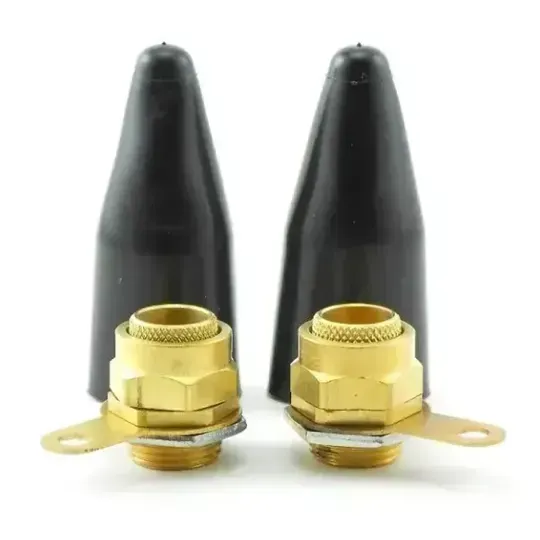
Both BW and CW glands are typically brass and use an internal cone and ring to clamp the armour wires for earth continuity. What sets them apart is the outer sheath seal — and as a result, the IP rating manufacturers assign to them.
- BW glands clamp the armour but don’t include a seal on the outer cable sheath. Manufacturers typically quote them at IP54, which covers protection against dust ingress and splashing water. That makes them suited to dry or sheltered environments rather than positions exposed to direct rain, prolonged moisture, or wash-down.
- CW glands include an additional compression seal that grips the outer sheath. Manufacturers typically quote IP66, which adds protection against powerful water jets from any direction. CW glands aren’t generally rated for continuous immersion.
For applications where the gland may be submerged or buried, the relevant category is IP68, which covers neither BW nor CW in their standard form. Newer hybrid designs on the market (for example WISKA Shield and SWA Storm) target higher IP ratings with different sealing approaches, sitting alongside the traditional BW/CW range rather than replacing it.
Both BW and CW are typically supplied as a pack of two glands with locknuts, earth tags, and shrouds — enough for both ends of one cable run.
How the size codes work
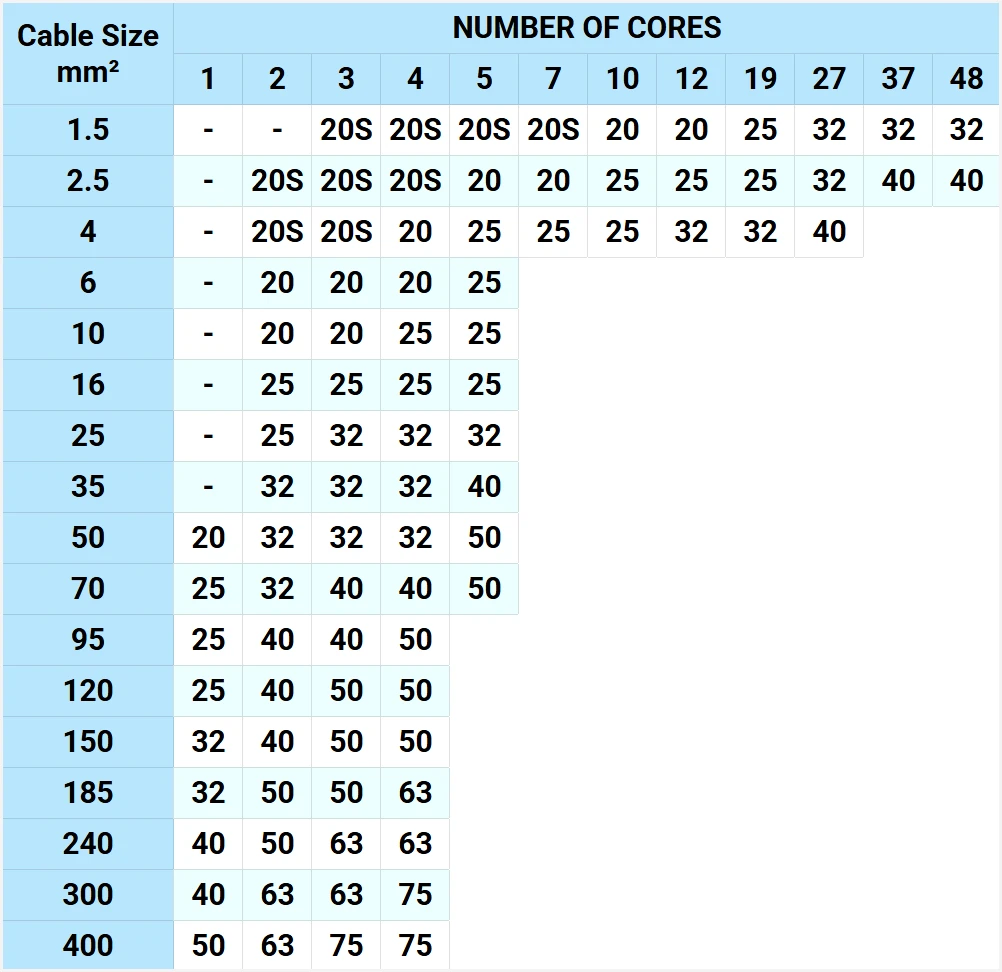
The numbers seen on gland packs — 20S, 20, 25, 32, 40, 50, 63, 75 — refer to the entry thread size in millimetres. The “S” suffix on 20S indicates a smaller bedding diameter variant of the 20 mm thread.
Because sizing is driven by the cable’s overall and armour dimensions rather than the gland type, the same selection chart is generally used for both BW and CW. The variables that matter for sizing are:
- The cable’s cross-sectional area (mm²).
- The number of cores.
- The cable’s construction and overall dimensions, which are determined by the standard it’s manufactured to and the manufacturer’s own specification.
A note on standards
This article is informational and reflects the general state of the BW / CW gland and SWA cable market at the time of writing. Product standards, cable construction standards, and national wiring regulations are revised over time, and the version current on the day of installation is what applies — not what any blog post, ours included, happens to say. For any specific installation, the relevant points of reference are the latest published standards, the relevant national wiring regulations, and the specific cable manufacturer’s datasheet for the cable actually being terminated.
Our SWA cable glands and armoured cables categories list the full range stocked, with current specifications shown on each product page.
more
Trade insight
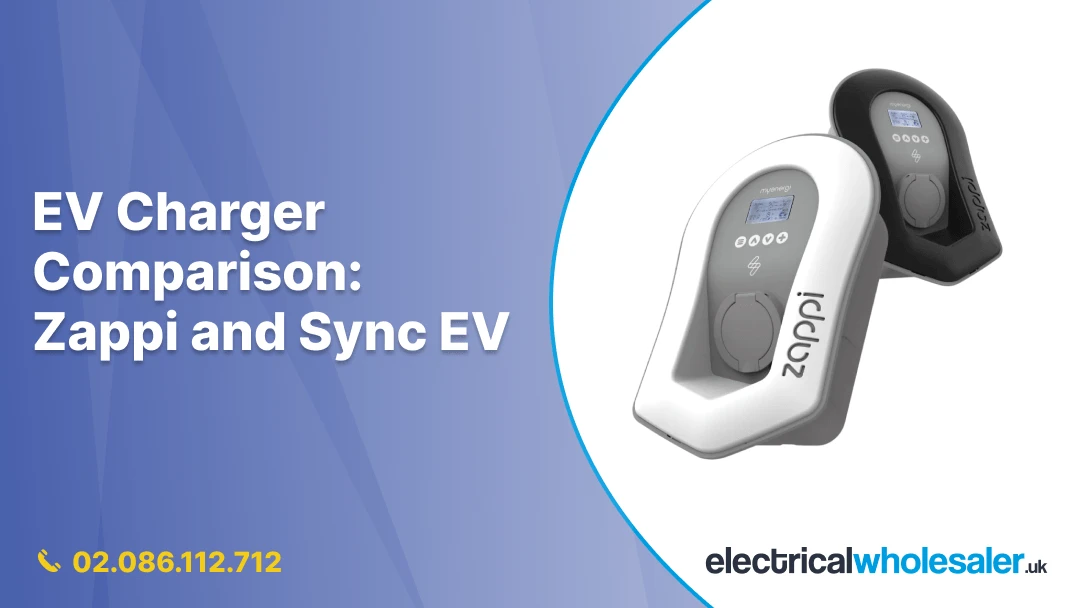
EV Charger Comparison: Zappi and Sync EV — What Contractors Need to Know
A trade overview of the Zappi and Sync EV chargers we stock — specs, smart features, and what to consider for home and workplace installs in Ireland and the UK.
Read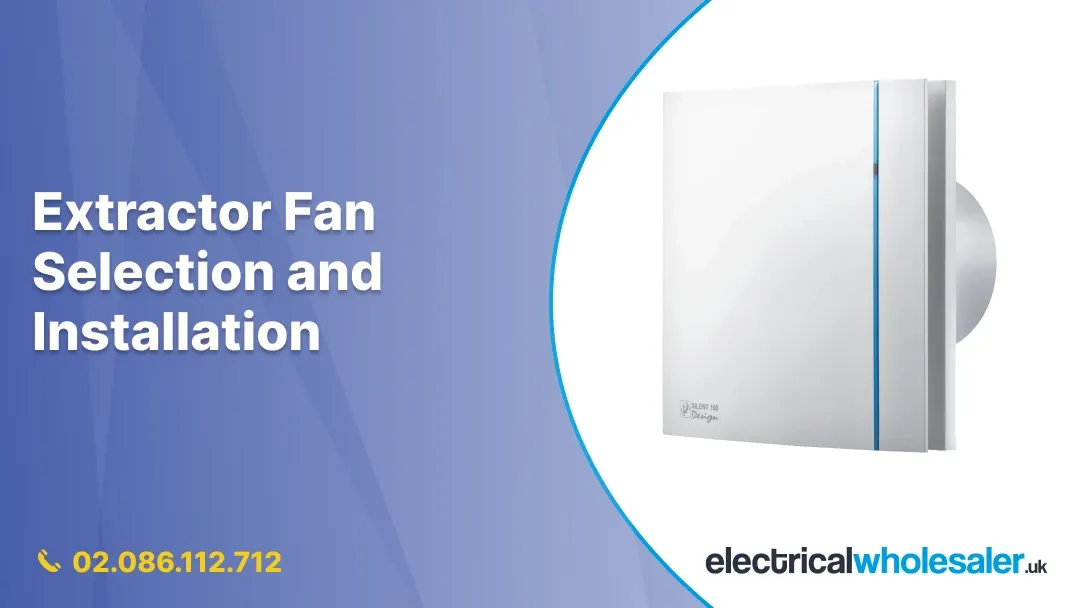
Extractor Fan Selection and Installation: What Contractors Need to Know
Sizing, regs, IP ratings, and common mistakes for bathroom and kitchen extractor fan installation in Ireland and the UK.
Read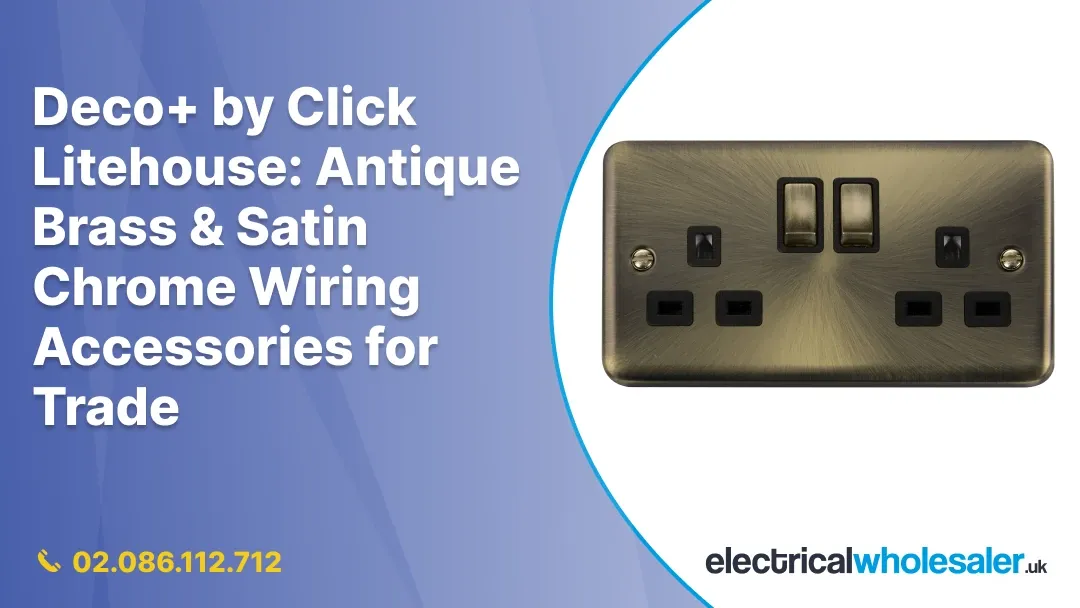
Deco+ by Click Litehouse: Antique Brass & Satin Chrome Wiring Accessories for Trade
Click Deco+ offers modular sockets, switches, FCUs and media plates in antique brass and satin chrome with black inserts. Here's what you need to know before you order.
Read